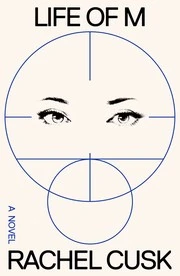
Life of M
Rachel Cusk turns her cool, forensic attention to the shape of a single life, and the result is a slim book that rewards slow reading and quiet conversation. It is the kind of novel where everyone in the room notices a different sentence, which makes for an unusually tender discussion.
We are reading Rachel Cusk's Life of M, and then we are going to eat something warm and talk about how it made us feel. Bring yourself, finished or not, and wear whatever you would wear to read in.
Best for: A small, patient club that likes literary fiction, doesn't mind unresolved endings, and would rather share feelings than argue theses.
Discussion
Warm-up
- 1.Where did you do most of your reading of this one, and did the book ask for a particular setting (a quiet chair, late night, nobody talking to you)?
- 2.Cusk's sentences are famously cool and precise. Did that feel like company or like distance while you were reading? No wrong answer, just whatever it felt like in your hands.
Digging in
- 1.This is a book about the shape a life takes, the parts that get narrated and the parts that get skipped. Which ordinary, unremarkable stretch of your own life would you actually want written down with this much attention?
- 2.Cusk keeps returning to domestic life, the rooms and routines and obligations of it. Was there a small domestic detail in the book that comforted you, and one that made you flinch a little?
- 3.The book is interested in how women get described by other people. When has being described by someone else felt generous to you, and when has it felt like a cage? Share only as much as you want.
- 4.There is a lot of silence and withholding here. Did you find the restraint soothing, or did part of you want the book to soften and tell you more? What were you hoping it would give you?
Going deep
- 1.Think about where you were with this book around the two-thirds mark, before you knew where it was heading. What were you quietly hoping for on the narrator's behalf, and how did sitting with that hope feel?
- 2.Cusk leaves a lot of room for the reader to finish the thought. Without spelling out where it lands, what did you find yourself carrying around in the days after you closed it, and has anything in your own life started to look different because of it?
On the table & to sip
To eat
To sip
Run of show
Host tips
- Say out loud at the start that nobody has to have finished it, and mean it. Cusk loses people, and a cozy night dies the moment someone feels caught out.
- Have a short passage you loved ready to read aloud yourself. With a stylist like Cusk, hearing one paragraph in a human voice reopens a stalled conversation faster than any question.
- Keep the lamps low and the overheads off, and put the kettle on again around the eighty minute mark. Refilling cups is the most effective pacing tool you have.
Playlist
Spare piano, low strings, and quiet English folk. Clear and cool at the edges, warm in the middle, played softly enough to talk over.
- 01 Gymnopedie No. 1 - Erik Satie
- 02 Spiegel im Spiegel - Arvo Part
- 03 The Only Place - Nils Frahm
- 04 Riverman - Nick Drake
- 05 Cologne - Agnes Obel
- 06 Vespers - Olafur Arnalds
- 07 Oh My Love - Rosie Thomas
- 08 Bright Morning Stars - The Wailin' Jennys
Trivia
- 1.Rachel Cusk is best known for a trilogy of novels published in the 2010s. What is it called? (The Outline trilogy (Outline, Transit, and Kudos).)
- 2.In which country was Cusk born? (Canada, in Saskatoon, though she grew up partly in California and England.)
- 3.Cusk's 2001 nonfiction book about becoming a mother caused considerable controversy. What is its title? (A Life's Work: On Becoming a Mother.)
- 4.Which early Cusk novel won the Whitbread First Novel Award? (Saving Agnes, published in 1993.)
- 5.Cusk published a much-discussed memoir about the end of her marriage. What is it called? (Aftermath: On Marriage and Separation.)
- 6.Cusk has translated a classical text into English. Which one? (Euripides' Medea, adapted for the stage.)
- 7.What year was Life of M published? (2026.)
- 8.Cusk's fiction is often grouped with a contemporary mode of writing that blurs memoir and novel. What is that mode usually called? (Autofiction.)
Bookmarks
Print, cut, and tuck one at every seat, a small keepsake from the night.
“Put the kettle on. This one reads better slowly.”
“A life, described plainly, and the quiet that follows.”
“Cold sentences, warm hands, one lamp on.”
Rate the book
We hope the company was good and the conversation even better. Until the next chapter.