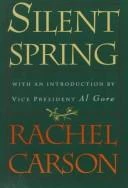
Silent SpringBook club questions, food & host guide
 Natalie's Book Club
A cozy book club night for Silent Spring by Rachel Carson. Includes 8 spoiler-free discussion questions, food and drink pairings, a playlist, and a host guide, ready to print and share.
A club that likes gentle nonfiction, shared nature stories, and long conversations that wander between the kitchen and the porch
Buy links are affiliate links; we may earn a small commission, at no cost to you.
Rachel Carson's quiet, lyrical warning about pesticides reads less like a lecture and more like a letter from someone who loves the world and is afraid for it. It turns a book club into an evening of noticing: birds, backyards, and the small living things we grew up beside.
Why it works for clubs
- Short chapters make it easy to dip in and share a favorite passage out loud
- Everyone arrives with personal nature memories, so no one is ever stuck for something to say
- Carson writes science like poetry, so there is a lot to feel as well as to think about
- It connects straight to the garden, the kitchen, and the window feeder, which keeps talk grounded and friendly
Themes & mood
Browse all themes →Warm-up questions
- 1 Before we talk about the book at all: what was the first bird you ever learned to recognize by sound, and who taught you?
- 2 Where did you do most of your reading for this one, and did Carson make you look up from the page and out a window?
Digging in
- 1 Carson writes about the natural world with real affection, not just alarm. Which passage made you feel most tenderly toward some small creature you had never thought much about?
- 2 Was there a chapter you had to set down for a minute because it sat heavy on you, and what helped you pick the book back up?
- 3 The book's title promises a spring without birdsong. What sounds from your own childhood summers would you most hate to lose?
- 4 Carson pays loving attention to soil, water, and roots, the unglamorous parts of a place. What overlooked corner of where you live do you find yourself quietly fond of?
Going deep
- 1 Carson keeps pointing out that everything is connected to everything else. Did reading her change how you feel about any small household habit of your own, and did that feel heavy or oddly hopeful?
- 2 By the time you closed the book, did Carson leave you more worried or more comforted, and what in her voice made you feel that way?
On the table
To sip
Soft acoustic folk and spacious piano, with a little birdsong and rain underneath, kept low enough to talk over.
Tap a track to play it. Full songs play when you're signed into Spotify.
Run of show
Host tips
- Say out loud at the start that nobody has to have finished the book. Carson's chapters stand alone, and a half-read guest can still talk about birds and gardens.
- This book can tip into gloom. If the room gets heavy, pivot to a question about something people love rather than something they fear, and refill the mugs.
- Keep a bird guide or a window feeder in view. People will point at things, and that is the whole evening working as intended.
Come read Rachel Carson with us by lamplight, with bowls of chicken and dumplings, hot cider, and blueberry crumble. Bring one passage you dog-eared and one nature memory you have never told anybody.
Trivia
-
1
In what year was Silent Spring first published?Answer: 1962.
-
2
What was Rachel Carson's scientific training and early career field?Answer: Marine biology. She worked for years as a biologist and writer for the U.S. Fish and Wildlife Service.
-
3
Which pesticide is the book most associated with challenging?Answer: DDT.
-
4
Before Silent Spring, Carson was best known for a bestselling book about which subject?Answer: The sea. The Sea Around Us won the National Book Award for nonfiction.
-
5
Silent Spring reached the public in serialized form in which magazine before book publication?Answer: The New Yorker.
-
6
The book is widely credited with helping launch which broad social movement?Answer: The modern environmental movement.
-
7
Besides direct poisoning, what wider idea about chemicals in food chains does Carson emphasize?Answer: That pesticides accumulate and concentrate as they move through living systems, affecting creatures far from where they were sprayed.
-
8
What kind of alternative to heavy chemical spraying does Carson advocate exploring?Answer: Biological controls, such as using natural predators, parasites, and pathogens of pest species.
Bookmarks
Rate the book
Print pack
- Question cards on kraft stock, tied with garden twine
- Mug tags so nobody loses their cider
- Three-up bookmark sheet to print and snip
- Half-page scorecards with a pencil at each seat
- A simple backyard bird checklist for the windowsill
Get the kit in your inbox
We'll email you this kit now, then a friendly nudge before your meeting so planning never sneaks up on you.
Run this night with your club
Get a free club page with one link to text your group. They add their name, nominate books and vote on the next pick. No accounts, no passwords.
More book club night kits
Ready-made nights for other books your club might pick next.

Build a free kit for any book
Pick your next read, choose a vibe, and get discussion questions, food and drink pairings, a playlist, and a host guide in about a minute.
Build my night